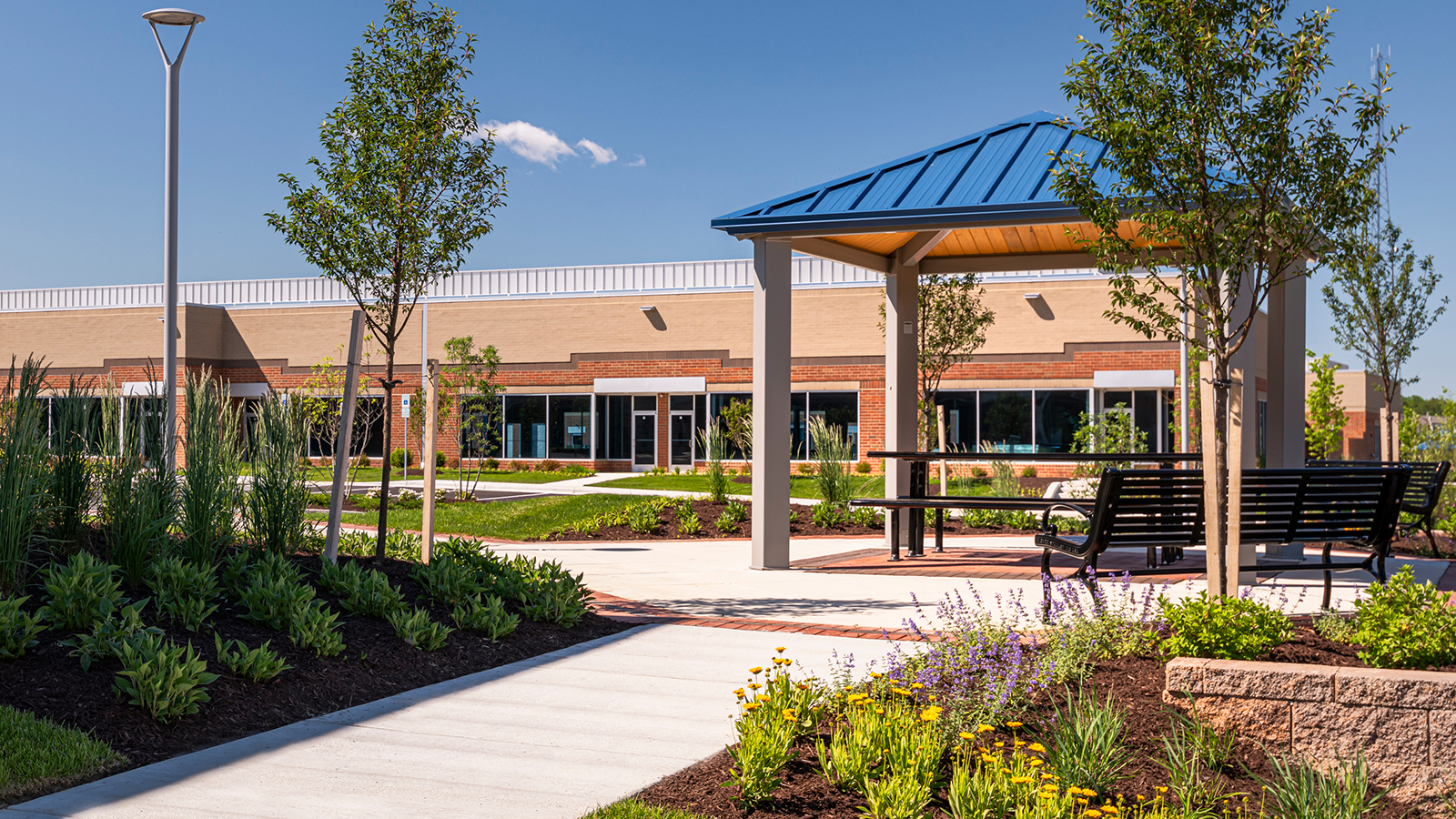
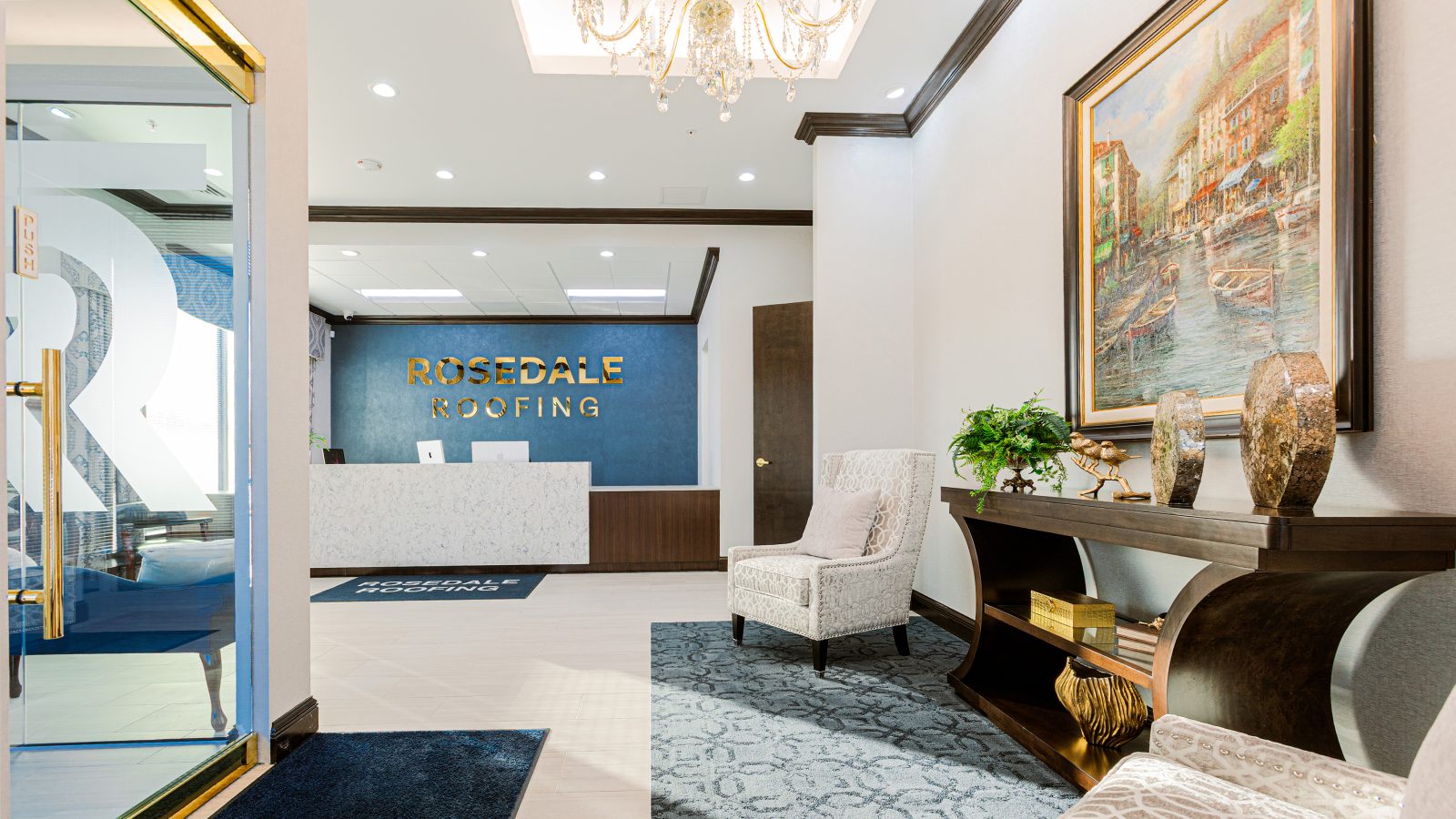
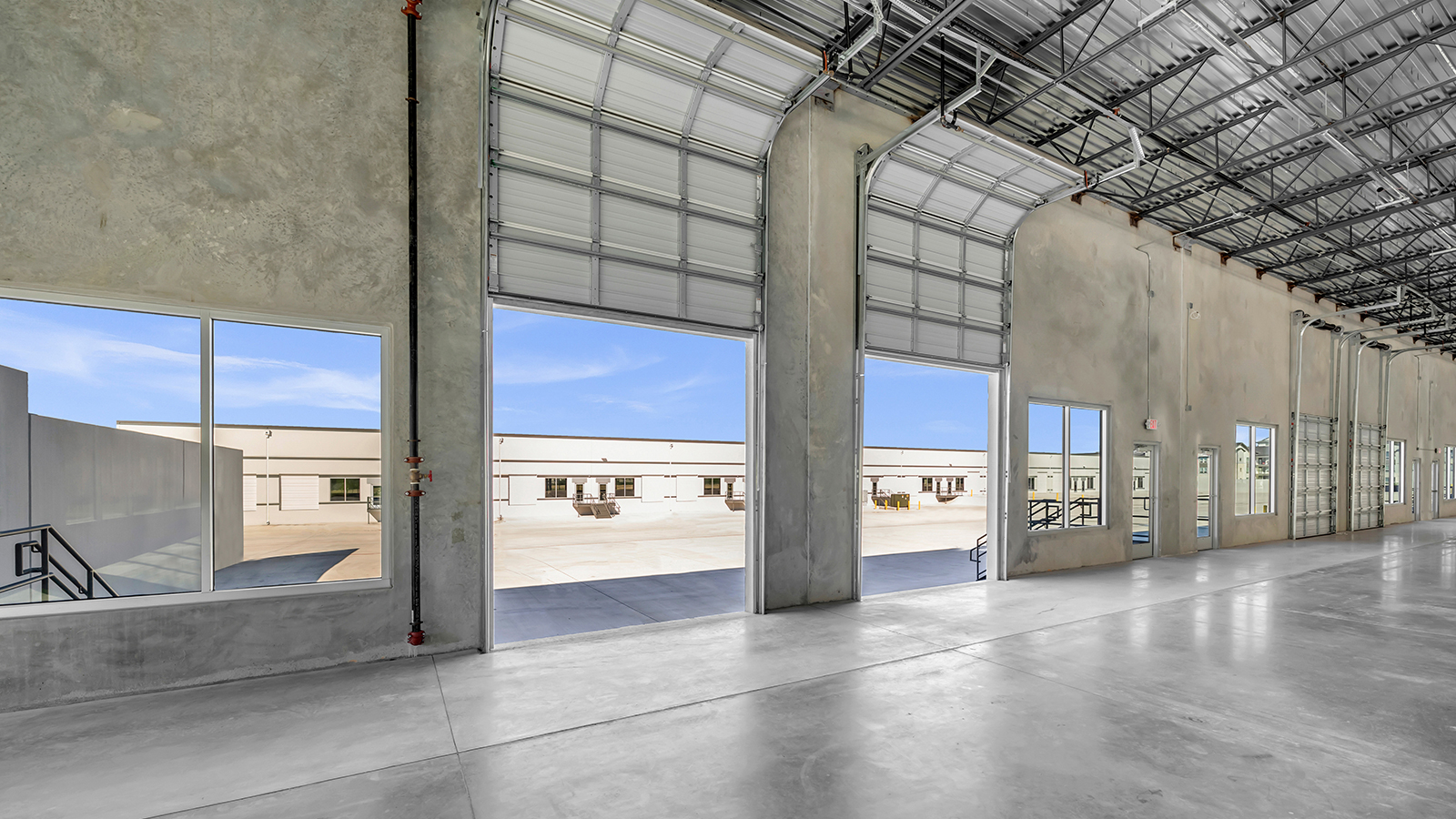
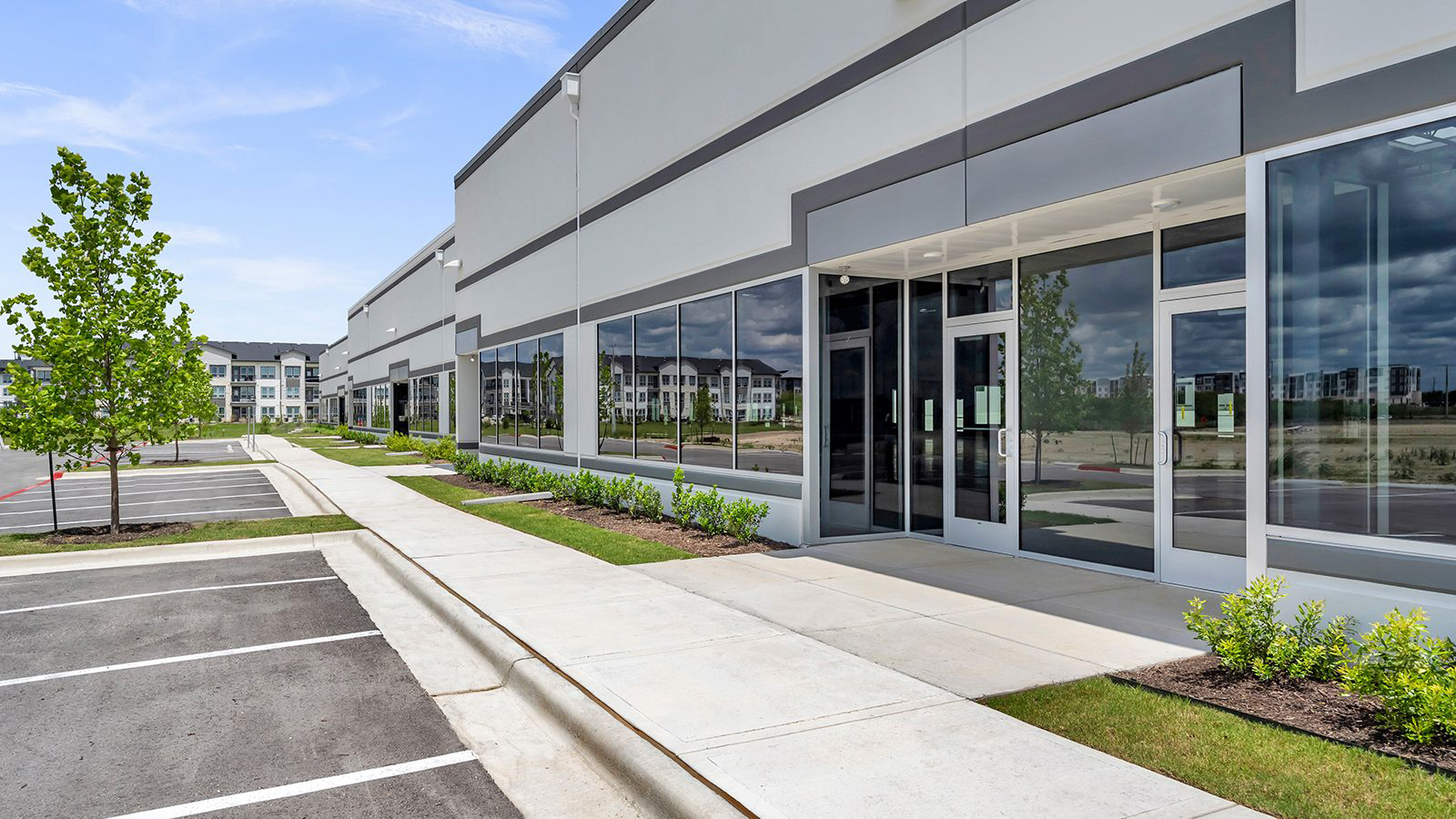
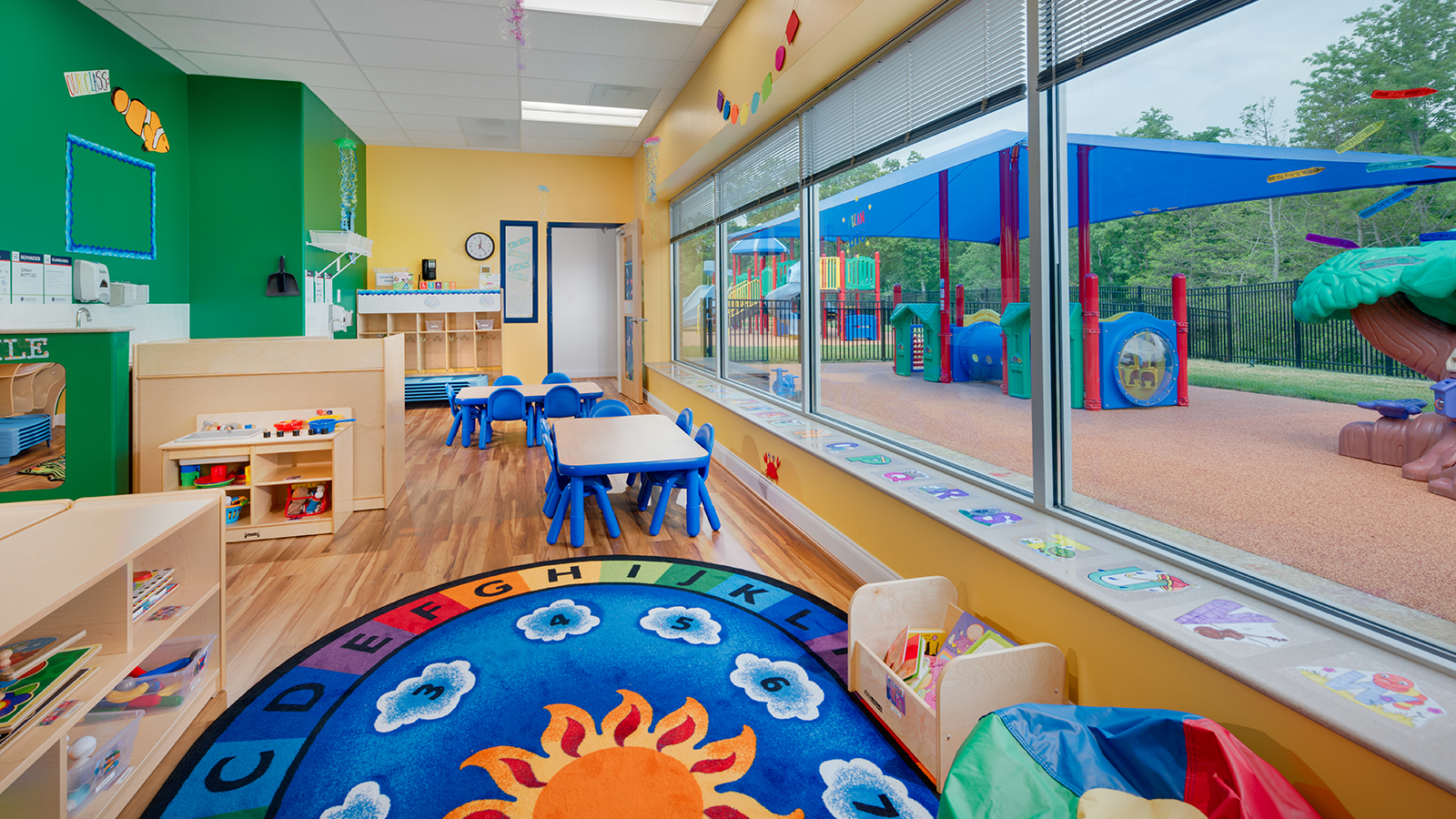
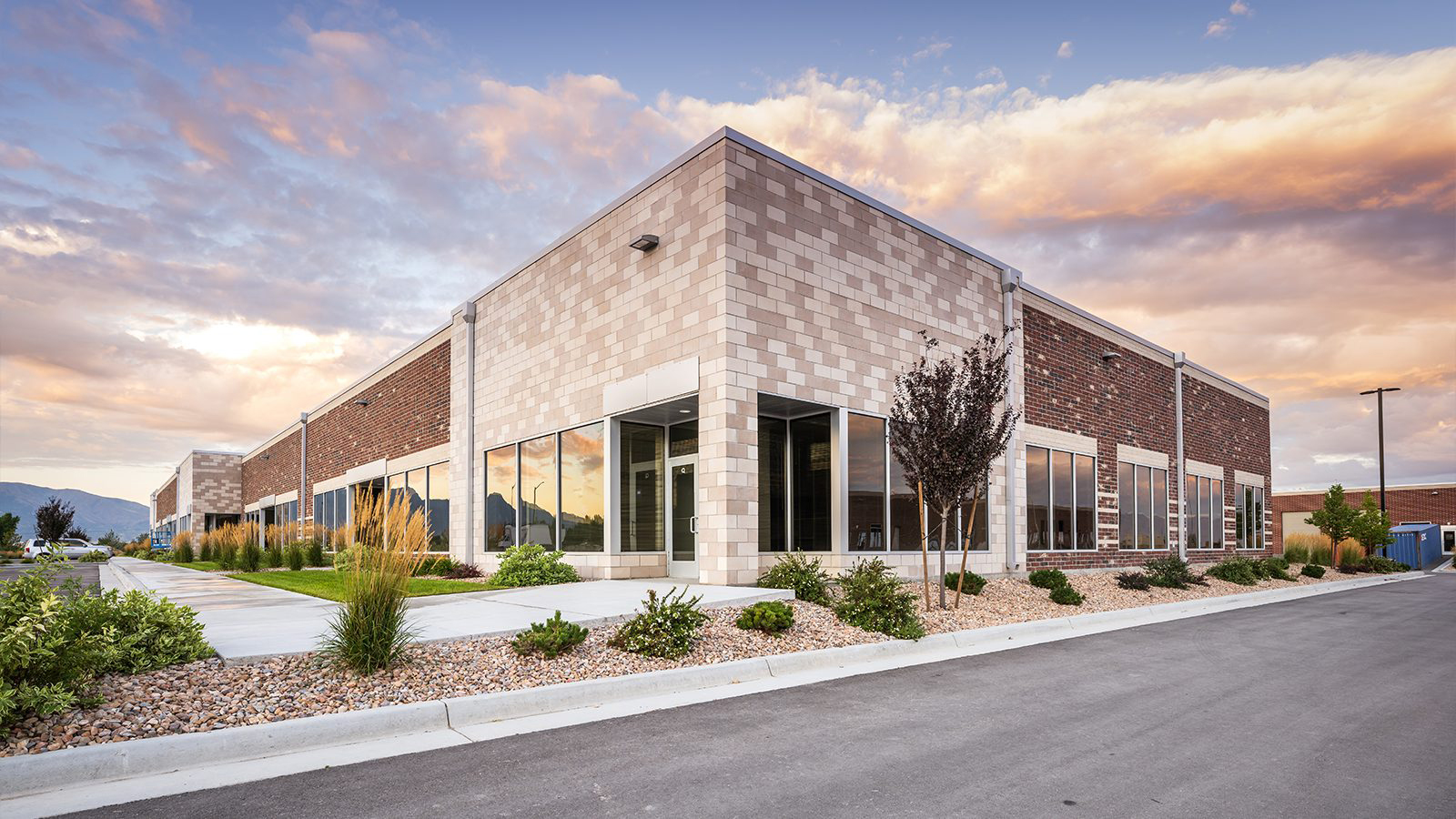
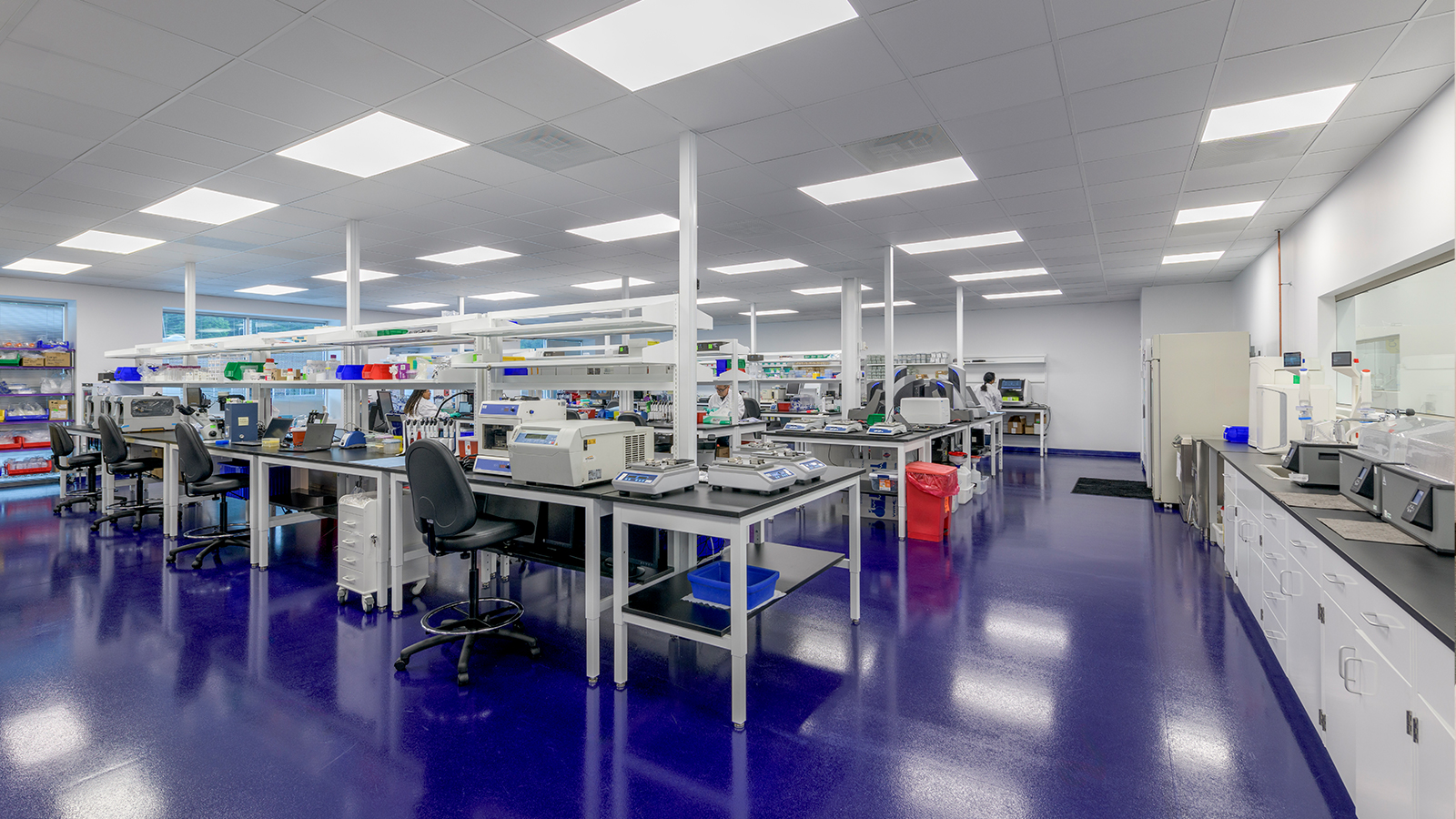
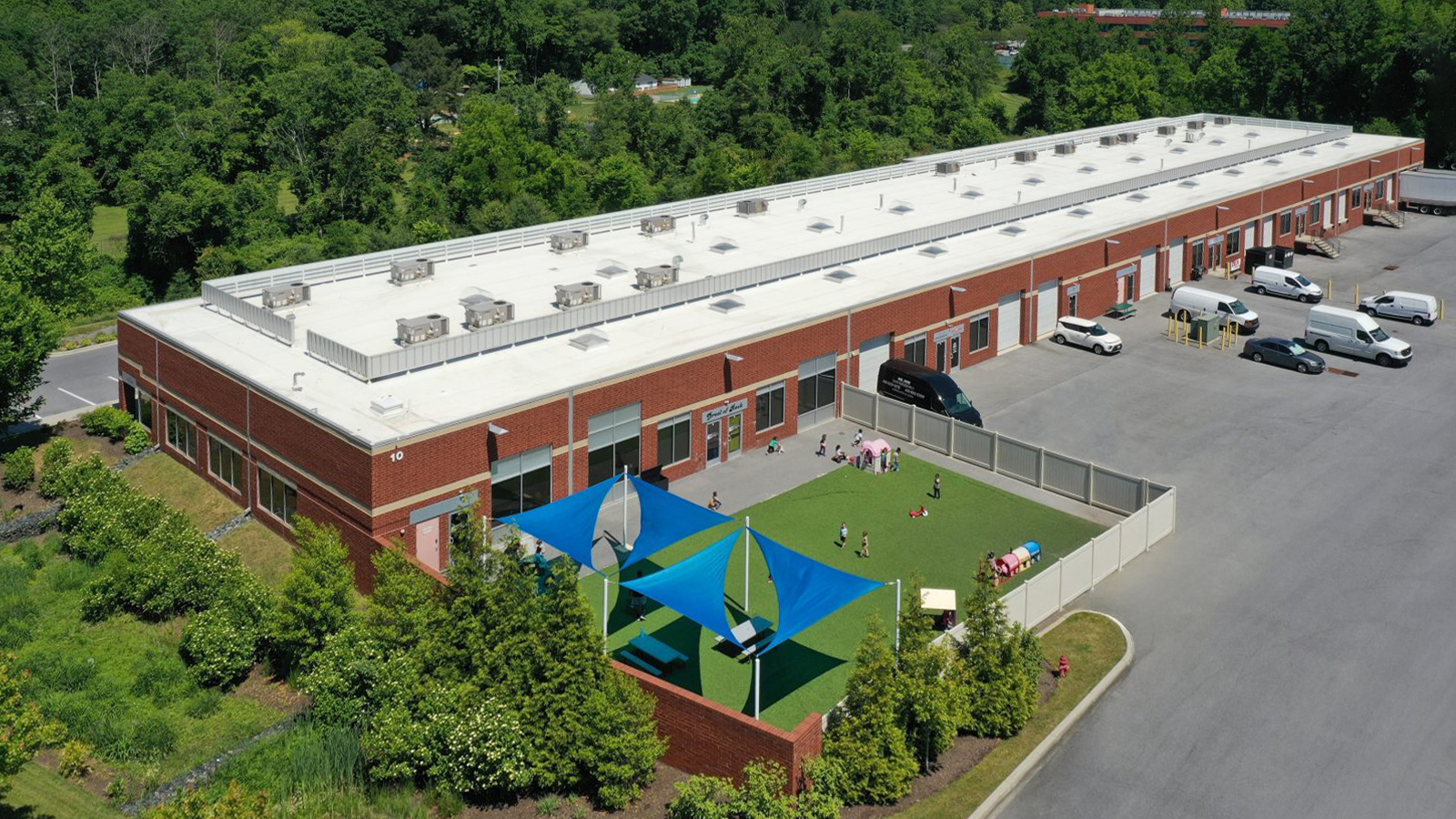
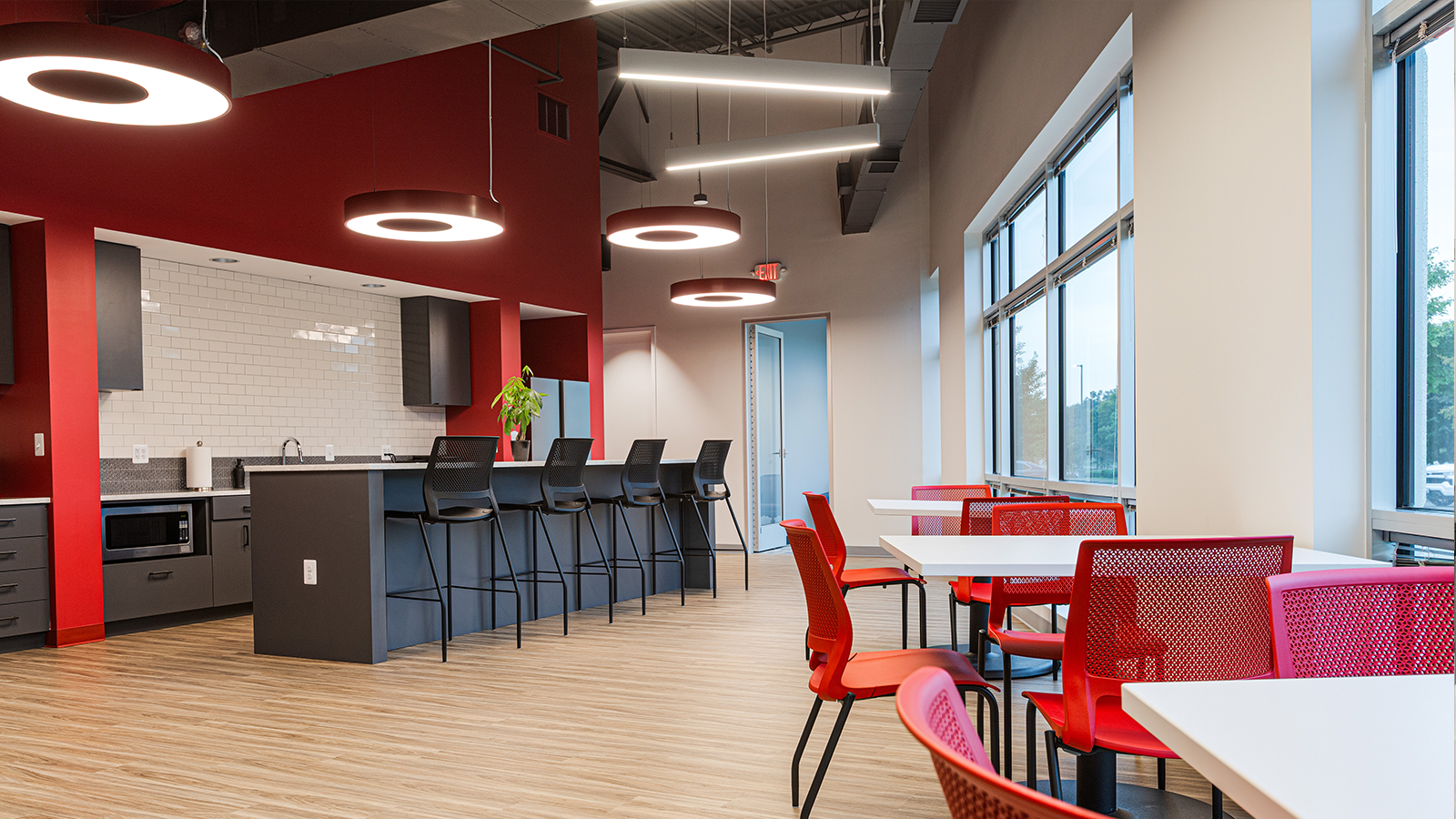
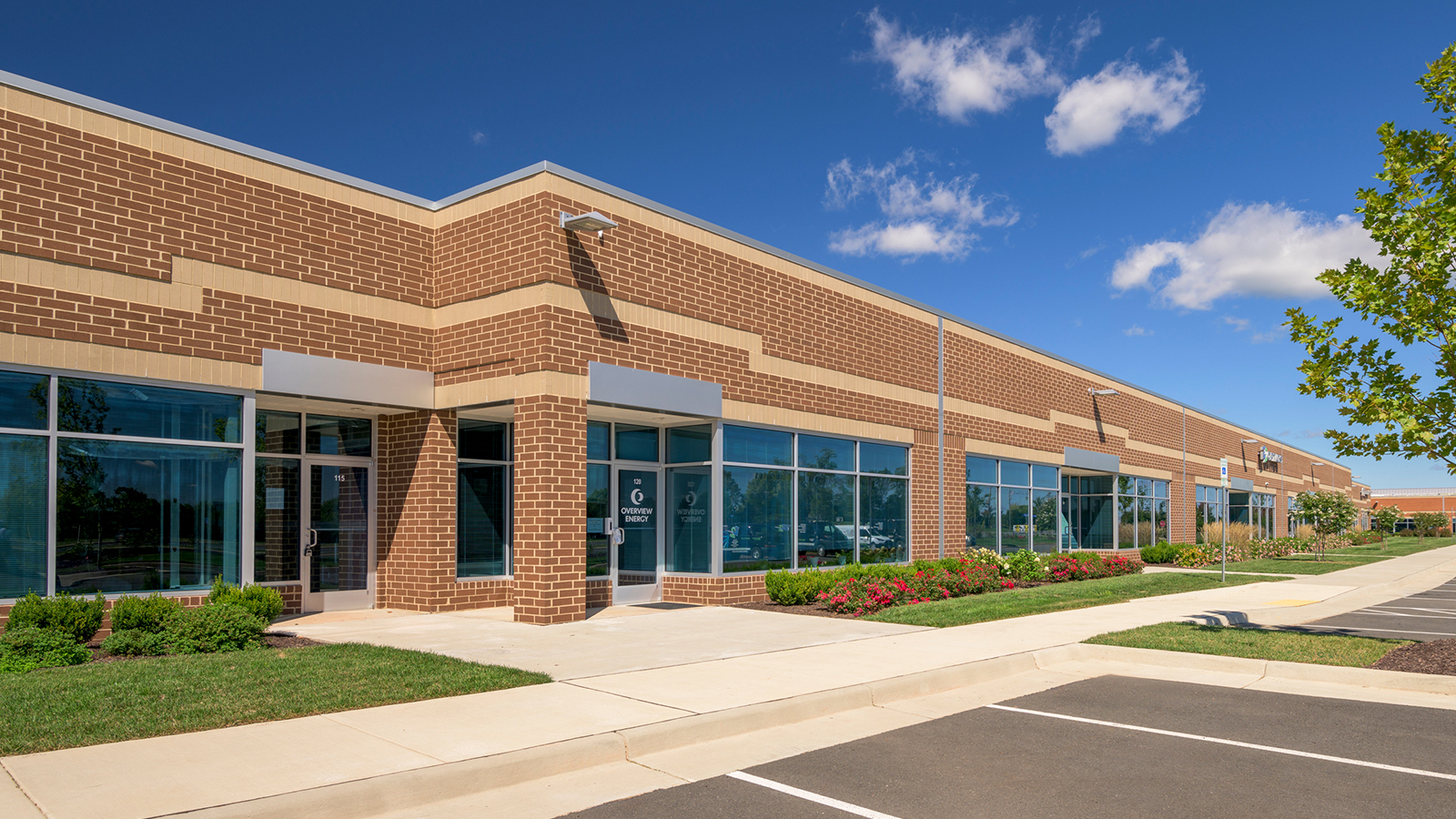
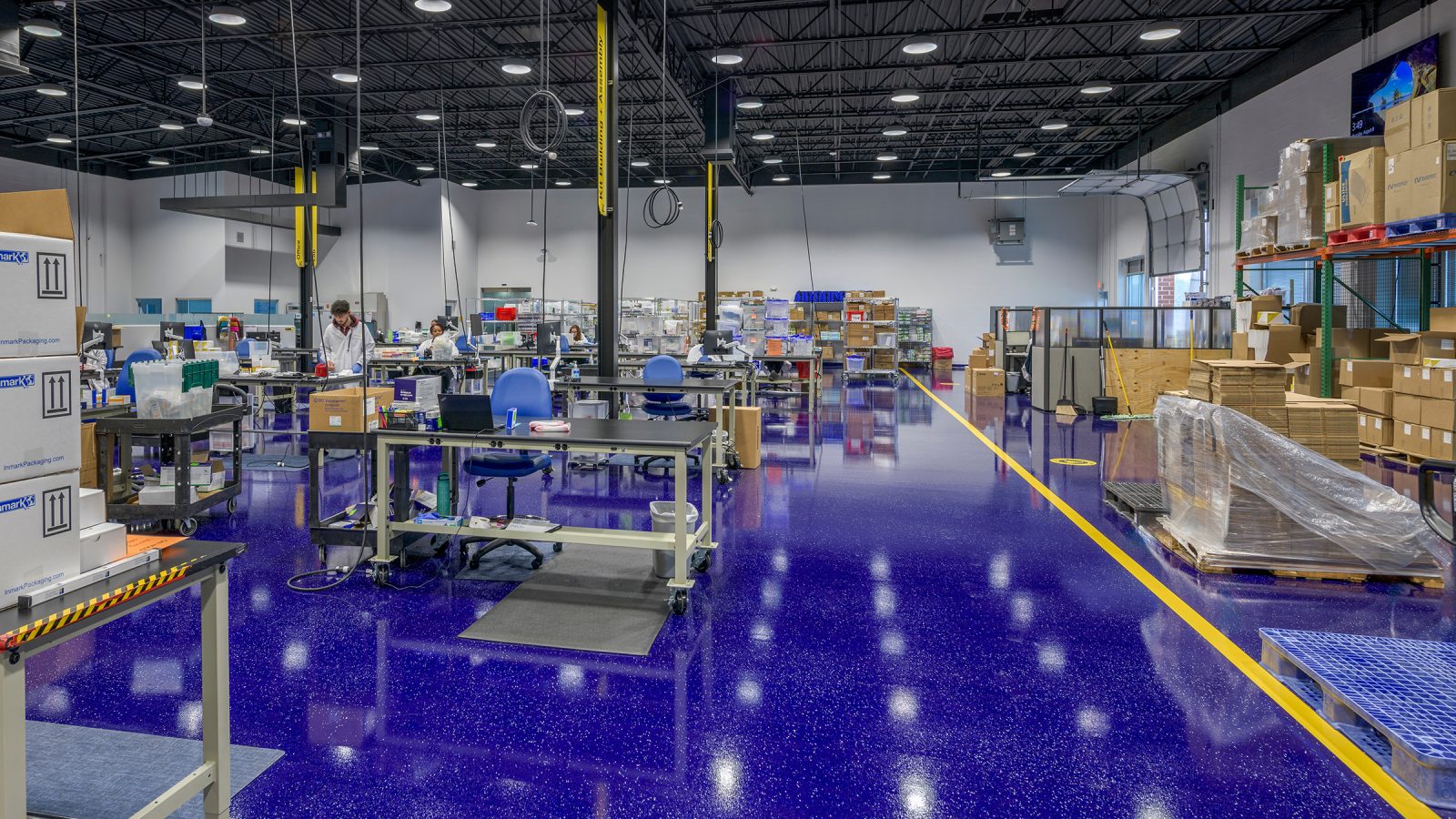
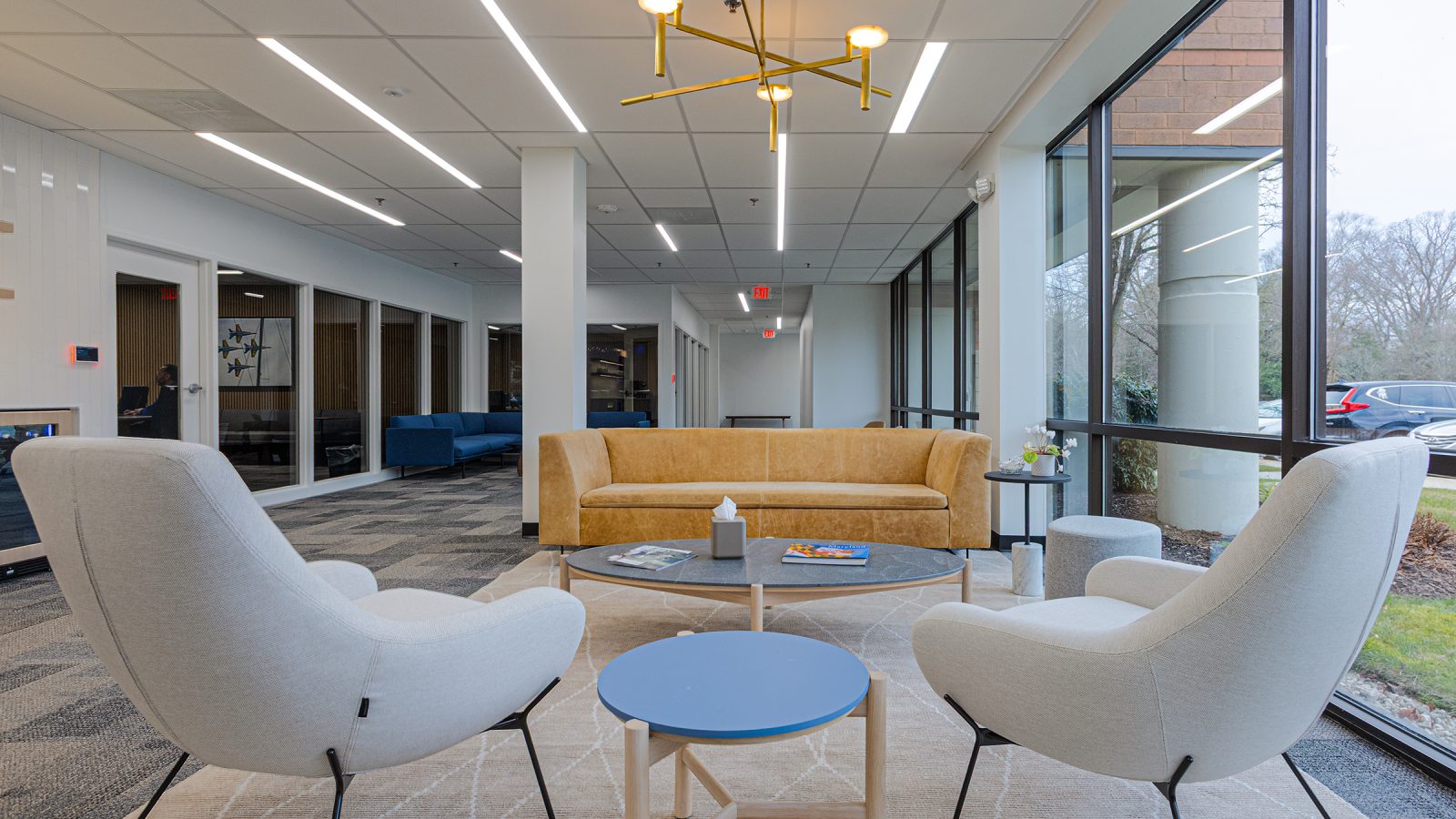
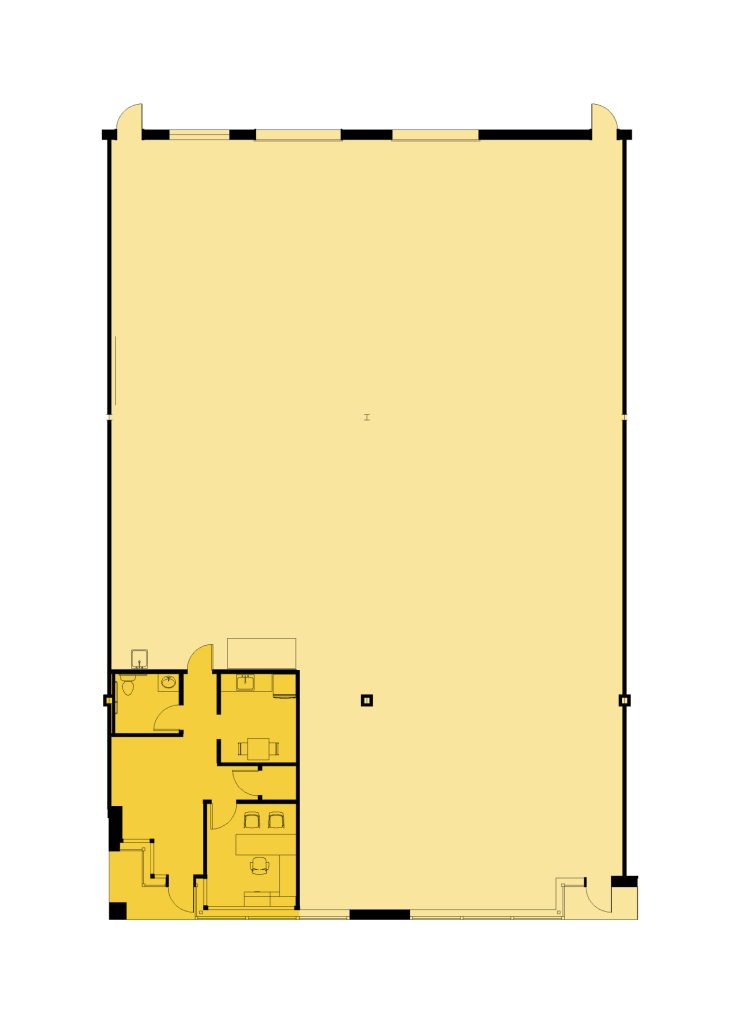
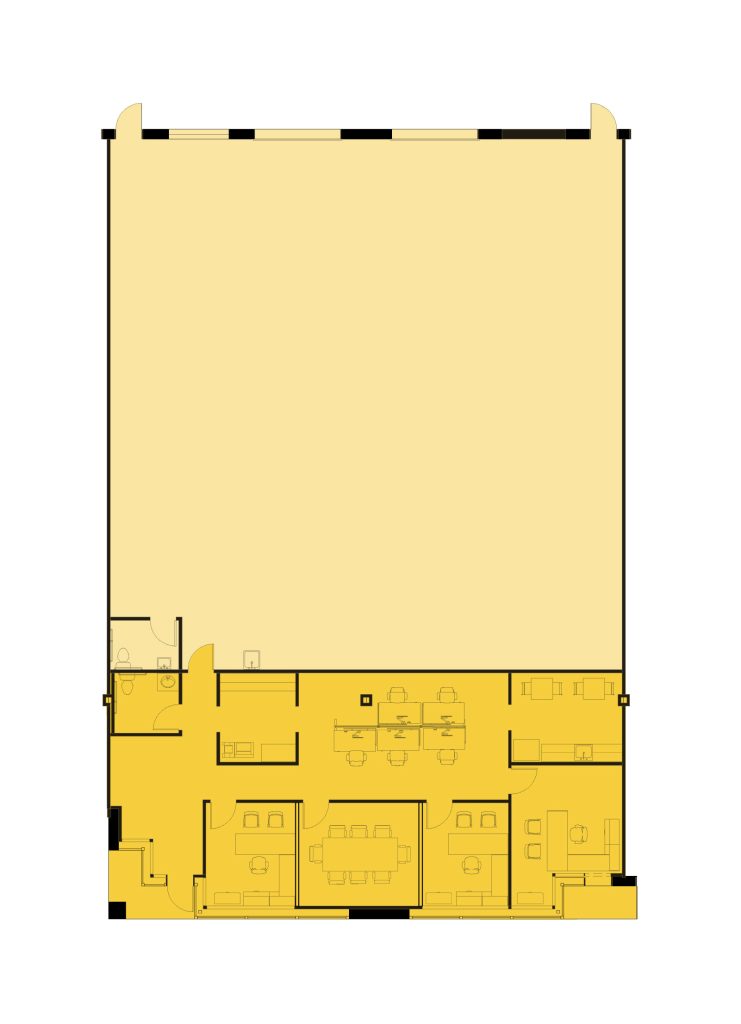
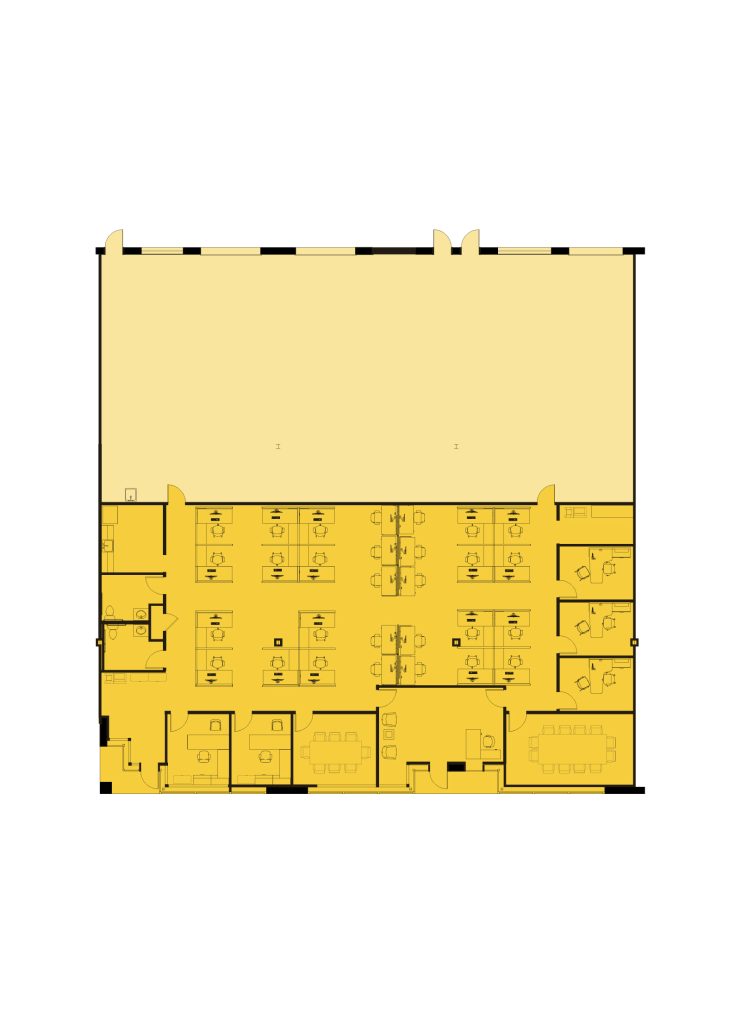
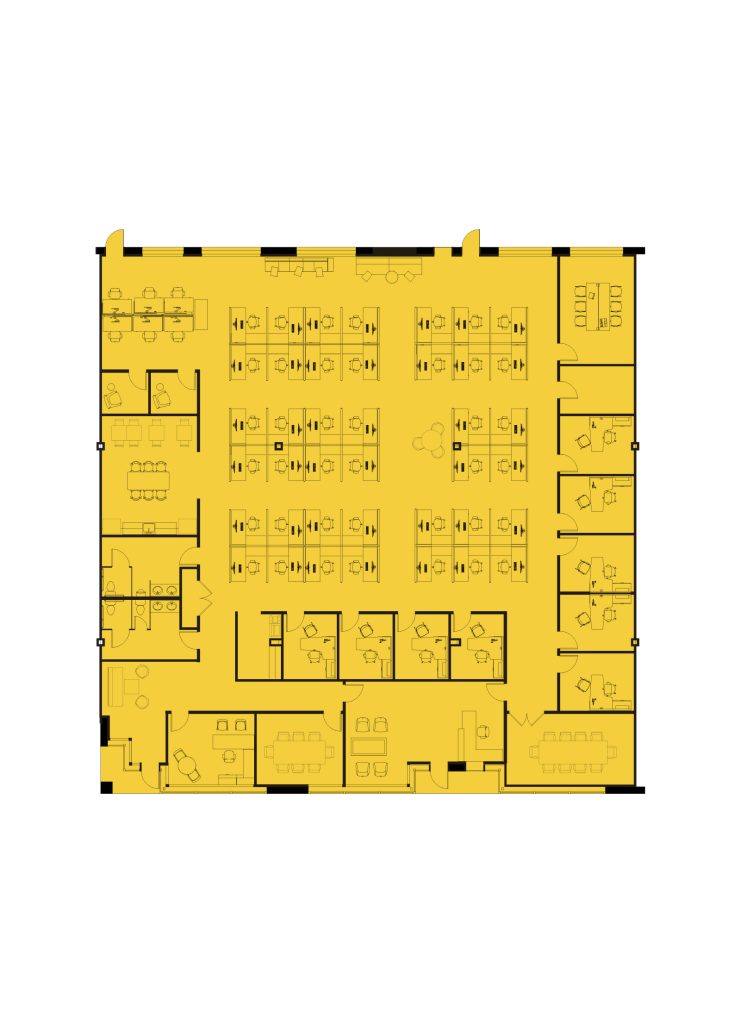
St. John Properties typically defines flex as a single-story commercial building that includes both office and warehouse components. The buildings feature generous, welcoming landscaping and large windows in the front, and often includes a rear drive-in or dock-high loading door, allowing for direct shipping and receiving to the premises.
From medical offices to creative studios to light manufacturing, flex buildings can be tailored to suit a wide range of business needs, and are built to grow alongside our tenants. The list below reflects a sampling of business that call our flex buildings home.
General office
Assembly uses
Professional services
Retail establishments
Laboratories
Light manufacturing
Creative maker facilities
Indoor recreation centers
Daycares and learning facilities
Research and development facilities
Government contractors
Data storage
Medical offices: surgery centers, veterinarians, etc.
General warehousing
Not an exhaustive list.
Custom Fit: Lease a small footprint or scale up with ease. Our spaces are built to grow with you.
Limited Public Factor: What you rent is exactly what you get. No shared costs for hallways, bathrooms or lobbies.
Size Doesn’t Matter: Businesses can lease as little as a single suite up to an entire building.
Unrestricted Control: Tenants have direct access to their space 24/7 and control over gas and electricity.